What's the Deal with Beaver Butts and Vanilla?
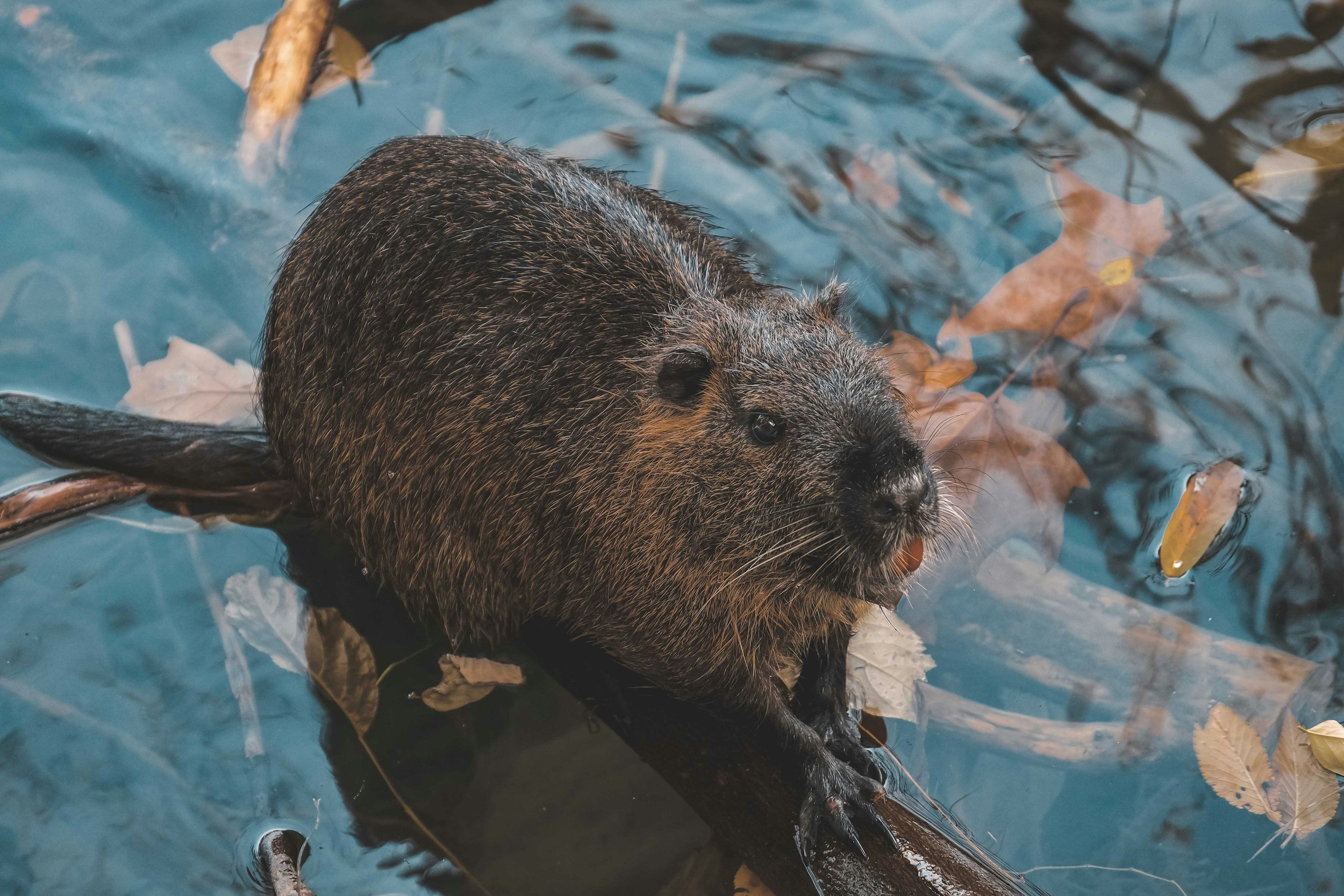
A cute beaver, with, apparently, flavorful butt goo.
Yes, beavers really do make a gooey substance (yuck) called castoreum. No, your vanilla ice cream probably isn't made from beaver butt. Here's what's actually going on and why we choose to use whole vanilla beans at Goldvine.
If you've spent enough time on the internet, you've probably seen the headline: "Did you know your vanilla flavoring comes from beaver butts?" Alternatively, you may have heard this in grade school as toilet humor.
It's one of those facts that sounds completely ridiculous, yet contains just enough truth to make you wonder whether you've been unknowingly drinking beaver-flavored coffee for years. So let's clear this up.
What's a "beaver butt" have to do with vanilla?
The substance at the center of the story is called castoreum. Castoreum is a natural secretion produced by beavers from specialized sacs located near the base of their tails. Historically, it has been used in perfumes and, in some circumstances, as a flavoring substance. And yes, the U.S. Food and Drug Administration recognizes castoreum extract and castoreum liquid as flavoring substances. So the basic fact isn't completely made up. But here's where the internet tends to get carried away. No, most vanilla isn't secretly made from beavers. Castoreum is not a common modern source of vanilla flavoring.
In fact, reporting from National Geographic and Smithsonian notes that while castoreum has historically been used as a flavoring, its use in everyday food products today is extremely rare.
So if you've been avoiding vanilla ice cream because you thought someone was milking a beaver every time you ordered a scoop, you can probably relax. There is, however, a more interesting question hiding underneath the sensational headline.
So what does "natural flavor" actually mean? This is where things get a little more complicated. When you pick up a food or beverage and see "natural flavor" or "natural vanilla flavor" on the ingredient list, that wording doesn't necessarily tell you exactly what plant, fruit, bean, or other natural source produced that flavor. The FDA allows certain flavor ingredients to be identified collectively on food labels rather than listing every individual flavoring component by name. And castoreum is, in fact, among the substances recognized by the FDA as a flavoring agent.
That doesn't mean your favorite vanilla latte contains castoreum.
The words "natural flavor" don't necessarily tell the whole story about where a flavor originated.
For some consumers, that's perfectly acceptable but for others, it's not. And that's exactly why we take a different approach at Goldvine. We don't want our vanilla flavor to be a mystery. We make our vanilla syrup with whole Madagascar vanilla beans, not a mysterious "natural flavor." The beans are an actual ingredient in our process, contributing the complex flavor, aroma, and natural character that makes real vanilla so much more interesting than a one-dimensional imitation of it.
Why Madagascar vanilla?
Madagascar vanilla is generally associated with the classic vanilla profile most people imagine when they think of vanilla: rich, creamy, sweet, aromatic, and deeply fragrant.
It's the profile we wanted for Goldvine because our goal isn't simply to make something that tastes "vanilla-ish." We want the vanilla to actually taste like vanilla. In fact, we find the finished product to be most reminiscent of melty vanilla ice cream.
Whole Beans vs. "Vanilla Flavor"
There's an important distinction here. Vanilla flavor describes a taste. Vanilla beans are an ingredient. Those aren't necessarily the same thing.
You can create a vanilla-like flavor using a variety of ingredients and flavoring compounds. That's one reason vanilla products can vary so dramatically in price, ingredient lists, and flavor.
At Goldvine, we take the less mysterious route.
We start with actual vanilla beans and build the syrup around them.
That approach costs more, it takes more time, and it isn't the easiest way to make vanilla syrup, but we think you can taste the difference.
And yes, those little black vanilla specks are supposed to be there. If you've ever opened a bottle of real vanilla and noticed tiny dark flecks, don't panic. Those little specks are part of what you get when you're working with actual vanilla beans. They're not something we need to filter out to make the syrup look artificially uniform. They're a reminder that you're looking at an ingredient that came from a vanilla bean.
So… Is Goldvine Made With Beaver Butt Goo?
No.
Goldvine Madagascar Vanilla Syrup is made with whole Madagascar vanilla beans. We're much more interested in what comes from a vanilla orchid than what comes from a beaver, and honestly, we think that's the better story anyway. The "beaver butt vanilla" story makes for a fantastic internet headline, but the real story of vanilla is considerably more interesting.
Vanilla begins as the fruit of an orchid. It is harvested, cured, and developed into one of the most recognizable flavors in the world. And when you make a syrup with actual vanilla beans, you get to experience more of that ingredient instead of simply approximating its flavor.
Does castoreum exist?
Yes.
Can castoreum be used as a flavoring ingredient?
Yes. The FDA recognizes castoreum extract and liquid as flavoring agents.
Is your everyday vanilla flavoring probably made from beavers?
No. Modern food use of castoreum appears to be extremely uncommon.
Does "natural flavor" always tell you exactly where a flavor comes from?
Not necessarily. Flavor ingredients can sometimes be identified collectively on food labels.
What does Goldvine use?
Whole Madagascar vanilla beans.
When we're making a premium vanilla syrup, we'd rather show you exactly where the flavor comes from. Just vanilla, and a whole lot of it.
Want to taste the difference? If you're looking for a vanilla syrup for lattes, cold brew, espresso, cocktails, tea, or desserts, explore Goldvine Madagascar Vanilla Syrup and see what real vanilla beans can bring to your next drink.
