Not All Vanilla Tastes the Same: Why Goldvine Uses Madagascar Vanilla, and the Differences Between Vanilla Varietals
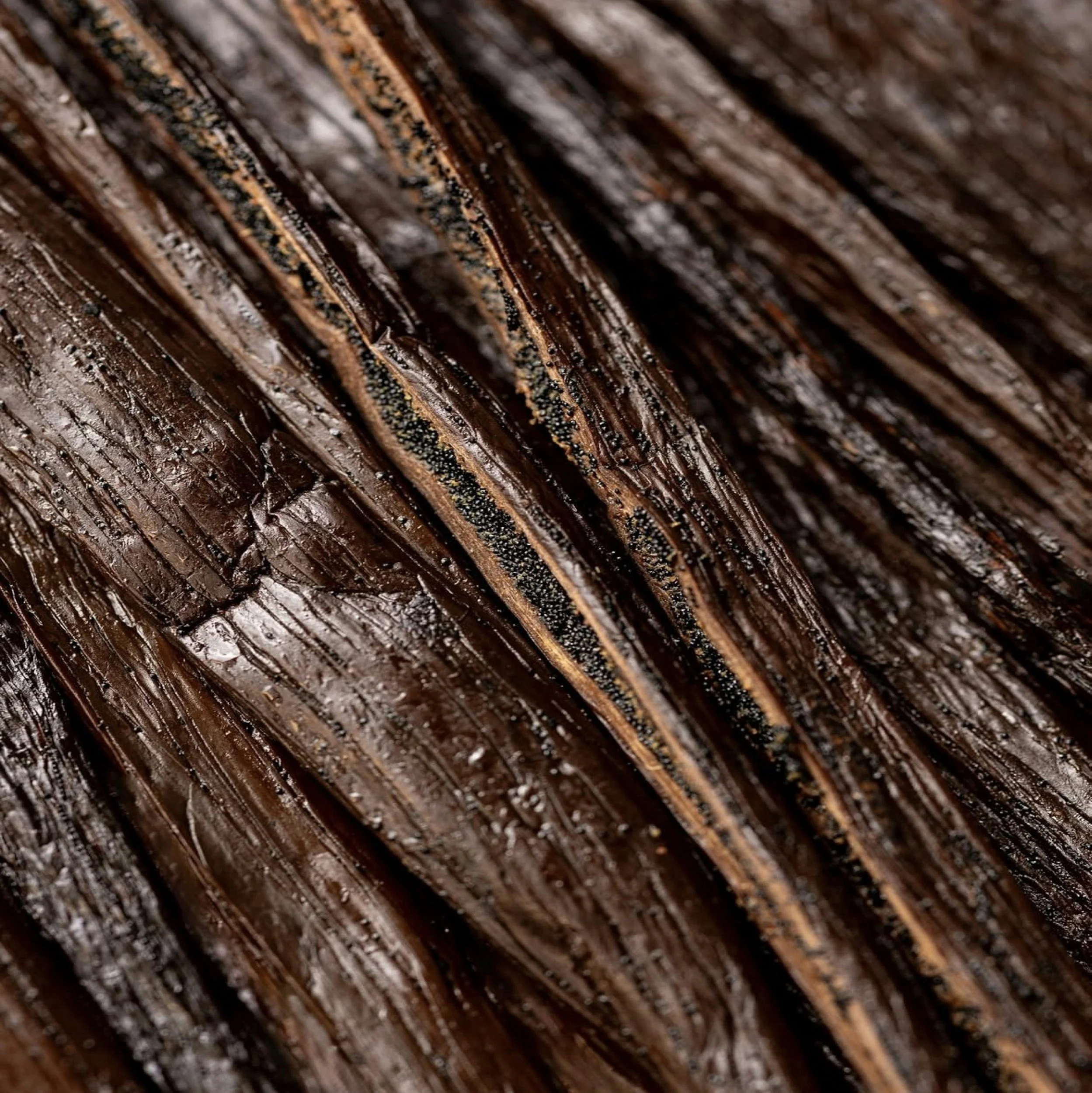
Split vanilla beans exposing the oily finished bean, and thousands of seeds inside.
Vanilla isn't just vanilla. Where a bean comes from, and even what kind of vanilla orchid produced it, can change the flavor in your cup. That's one of the reasons we chose Madagascar vanilla for Goldvine.
When most people hear the word vanilla, they probably imagine one flavor: sweet, creamy, warm, and familiar. But real vanilla is much more interesting than that.
Vanilla beans from Madagascar can taste different from vanilla grown in Mexico. Tahitian vanilla can taste completely different from both, while Indonesian vanilla can bring deeper, smokier notes. Even beans from the same species can develop different aromatic profiles depending on where and how they are grown and cured.
Vanilla isn't one flavor. It's a family of flavors, and when you're making a vanilla syrup, the bean you choose matters.
Vanilla Is More Than Just "Vanilla" The vanilla we eat comes from the fruit of orchids in the Vanilla genus. Several species and varieties are cultivated commercially, but three names you'll encounter most often are:
Madagascar Bourbon vanilla
Tahitian vanilla
Mexican vanilla
You'll also encounter vanilla from Indonesia, Uganda, Papua New Guinea, India, and other growing regions, even Hawaii.
These aren't simply different labels slapped onto the same ingredient. They can genuinely taste different.
Scientific analysis has identified substantial differences in the aromatic compounds present in different vanilla species and growing regions. Vanillin, the compound most strongly associated with the familiar smell of vanilla, is especially important in Vanilla planifolia, while other compounds become more prominent in varieties such as Vanilla tahitensis.
That's why experienced bakers, pastry chefs, chocolatiers, and coffee professionals sometimes seek out specific origins for their uses. They're not just buying "vanilla." They're choosing a flavor profile (or so we hope!)
Madagascar Vanilla: The Classic
When Goldvine says Madagascar vanilla, we're talking about the classic Bourbon-type vanilla associated with Vanilla planifolia.
And despite the name, Bourbon vanilla has nothing to do with bourbon whiskey.
The term comes from Île Bourbon, the former name of Réunion, an island in the Indian Ocean where this type of vanilla was cultivated after being introduced from the Americas. Madagascar subsequently became the world's dominant producer of this style of vanilla.
Madagascar Bourbon vanilla is the flavor profile most people instinctively recognize as "vanilla." It is typically described as rich, creamy, sweet, warm, aromatic, and smooth. It has enough intensity to make itself known, but enough balance to work alongside other ingredients rather than overpowering them.
That's exactly what we wanted for Goldvine, and what we have decided upon after many hours of testing different varietals.
Tahitian Vanilla: Floral, Fruity, and Unexpected
Tahitian vanilla is perhaps the easiest way to understand why vanilla isn't one-dimensional.
Tahitian vanilla is generally associated with Vanilla × tahitensis, a different botanical lineage from the V. planifolia used for Madagascar and Mexican vanilla. Its aromatic profile tends to be more floral and fruity, with notes that can remind people of cherry, anise, or other delicate aromatics.
It's beautiful vanilla, but it's a different kind of beautiful. Imagine something less like warm vanilla ice cream and more like a floral, perfumed, fruity vanilla. That can be incredible in the right application. In fact, extracts of this are used in fragrances, and candles more so than other varietals.
And that's an important distinction: different doesn't mean better or worse. It means different.
Mexican Vanilla: Spicier and More Complex
Mexico is the historical birthplace of the vanilla we cultivate today, and Mexican vanilla is also generally Vanilla planifolia. Yet its flavor can have a character distinct from Madagascar-grown beans. Mexican vanilla is often described as having warmer, spicier, or more nuanced notes, sometimes compared with cinnamon, clove, nutmeg, or other baking spices.
It's a fascinating choice for things like chocolate, spices, and richer desserts. And again, that's the beauty of real vanilla: the origin becomes part of the flavor. This is very similar to nuances in different coffees, or wines depending on the terroir of the crop!
Indonesian Vanilla: Smoky and Woody
Indonesia is another major vanilla-producing region, and Indonesian vanilla can bring a different personality to the table.
Depending on the beans and curing process, Indonesian vanilla is often associated with deeper, woody, smoky, or earthy characteristics. That can be fantastic. A vanilla with a little more depth and woodiness can complement chocolate, caramel, roasted flavors, and other darker ingredients beautifully. This works well in baking, but not so much in syrups.
So Why Does Goldvine Use Madagascar Vanilla?
This is where all of those differences become important.
We didn't choose Madagascar because we believe Tahitian, Mexican, Indonesian, or other varietals of vanilla were deemed inferior. Quite the opposite. We chose Madagascar because its flavor profile is the foundation we wanted for Goldvine's vanilla syrup.
Our syrup is designed to go into things like:
Espresso
Lattes
Cold brew
Iced coffee
Tea
Cocktails
Desserts
Baking
That means our vanilla needs to play a lot of roles. We want it to be recognizable as vanilla, rich enough to stand up to espresso, sweet and creamy enough to complement milk, and aromatic enough to make a simple cold brew more interesting. At the same time, we don't want a highly floral or unusual vanilla profile to dominate everything it touches.
Madagascar vanilla gives us that balance. It's familiar enough to be instantly recognizable as vanilla, but complex enough that you can appreciate it as a real ingredient rather than simply a generic flavor.
The Difference Is in the Details
One of the biggest misconceptions about vanilla is that the only thing that matters is vanillin. Vanillin is certainly important, it is one of the principal compounds responsible for vanilla's characteristic aroma, but real vanilla contains hundreds of volatile and aromatic compounds.
That's part of why a whole vanilla bean doesn't smell exactly like pure vanillin. In fact, smelling a Madagascar vanilla bean smells moreso like figs!
That's part of why a whole vanilla bean doesn't smell exactly like pure vanillin, and why different vanilla beans can smell and taste different even when they all contain the compound we associate most strongly with vanilla.
That’s a part of why we don’t use artificial flavoring: this is almost purely lab-grown, chemically synthesized vanillin.
Research comparing vanilla varieties has found that compounds other than vanillin can become important contributors to the aroma profile depending on the botanical variety and growing region. In other words, real vanilla isn't one molecule. It's an orchestra. The balance of those compounds is what creates the character of the bean.
At Goldvine, we use whole Madagascar vanilla beans. The beans themselves are part of our process. In fact, we include a bean in every bottle of our vanilla syrup for not just aesthetics, but for maximal flavor gains from contiuned infusion of flavor compounds from the vanilla bean.
So Which Vanilla Is "Best"?
That's the wrong question. The better question is: Which vanilla is best for what you're trying to make?
If you're making a delicate dessert and want floral fruitiness, Tahitian vanilla might be exactly what you're looking for. If you're pairing vanilla with spices and chocolate, Mexican vanilla could be fascinating. If you're looking for deeper, darker notes, Indonesian vanilla may be your preference.
| Vanilla Origin / Type | Typical Character | Particularly Interesting With |
|---|---|---|
| Madagascar (Bourbon / V. planifolia) | Rich, creamy, sweet, classic, aromatic | Coffee, milk, baking, chocolate, desserts |
| Tahitian (V. × tahitensis) | Floral, fruity, perfumed, anise-like, delicate | Fruit, ice cream, custards, light desserts, cocktails |
| Mexican (V. planifolia) | Warm, spicy, complex, sometimes woody or cocoa-like | Chocolate, cinnamon, spices, rich desserts |
| Indonesian (V. planifolia) | Sweet, robust, woody, earthy, sometimes smoky | Chocolate, caramel, roasted flavors, baking |
| Ugandan (V. planifolia) | Bold, intense, earthy, often chocolatey or fruity | Chocolate, coffee, rich desserts, baking |
| Papua New Guinea (V. planifolia and V. × tahitensis) | Highly variable; spicy, fruity, smoky, or rum-like depending on type and curing | Chocolate, coffee, cocktails, richer desserts |
| Hawaiian | Generally bright, aromatic, floral, and fruit-forward; profile varies by species and cultivar | Ice cream, fruit desserts, pastries, cocktails |
| Indian (V. planifolia) | Rich, buttery, sweet, often cocoa-like or earthy | Chocolate, cream desserts, baking, chai and spices |
| Comorian / Comoros (V. planifolia) | Classic Bourbon character; sweet, creamy, aromatic | Baking, ice cream, coffee, chocolate |
| Réunion (V. planifolia) | Classic Bourbon-style profile; rich, aromatic, balanced | Pastry, custards, coffee, desserts |
| West Indian / Pompona (V. pompona) | Larger, softer, more delicate; often described as fruity, floral, or rum-like | Specialty desserts, fruit, cocktails, culinary experimentation |
| Guatemalan / Central American | Often aromatic and complex, with profiles varying considerably by species and source | Chocolate, fruit, specialty desserts, savory applications |
But if you want the rich, creamy, unmistakably classic vanilla flavor that works beautifully in coffee, milk, desserts, and baking, that's where Madagascar shines. And that's why we chose it.
We chose Madagascar vanilla because we love the way its rich, creamy character works with coffee. It complements espresso without disappearing, rounds out cold brew, and works beautifully with milk. Most importantly, the vanilla itself is responsible for the flavor.
There are plenty of vanillas in the world worth exploring. Madagascar is simply the one we wanted in your bottle. When we make Goldvine Madagascar Vanilla Syrup, our goal isn't to make something that tastes like vanilla. It's to let real vanilla taste like itself.
We recommend purchasing vanilla from Vanilla Bean Kings. They have organic vanilla available from many parts of the world for you to try!
Taste the classic for yourself
Goldvine Madagascar Vanilla Syrup is made with whole Madagascar vanilla beans and crafted for coffee, espresso, cold brew, tea, cocktails, and desserts.
